Dog Grooming Tools Beginners Need: Buy This First, Skip the Rest
TL;DR
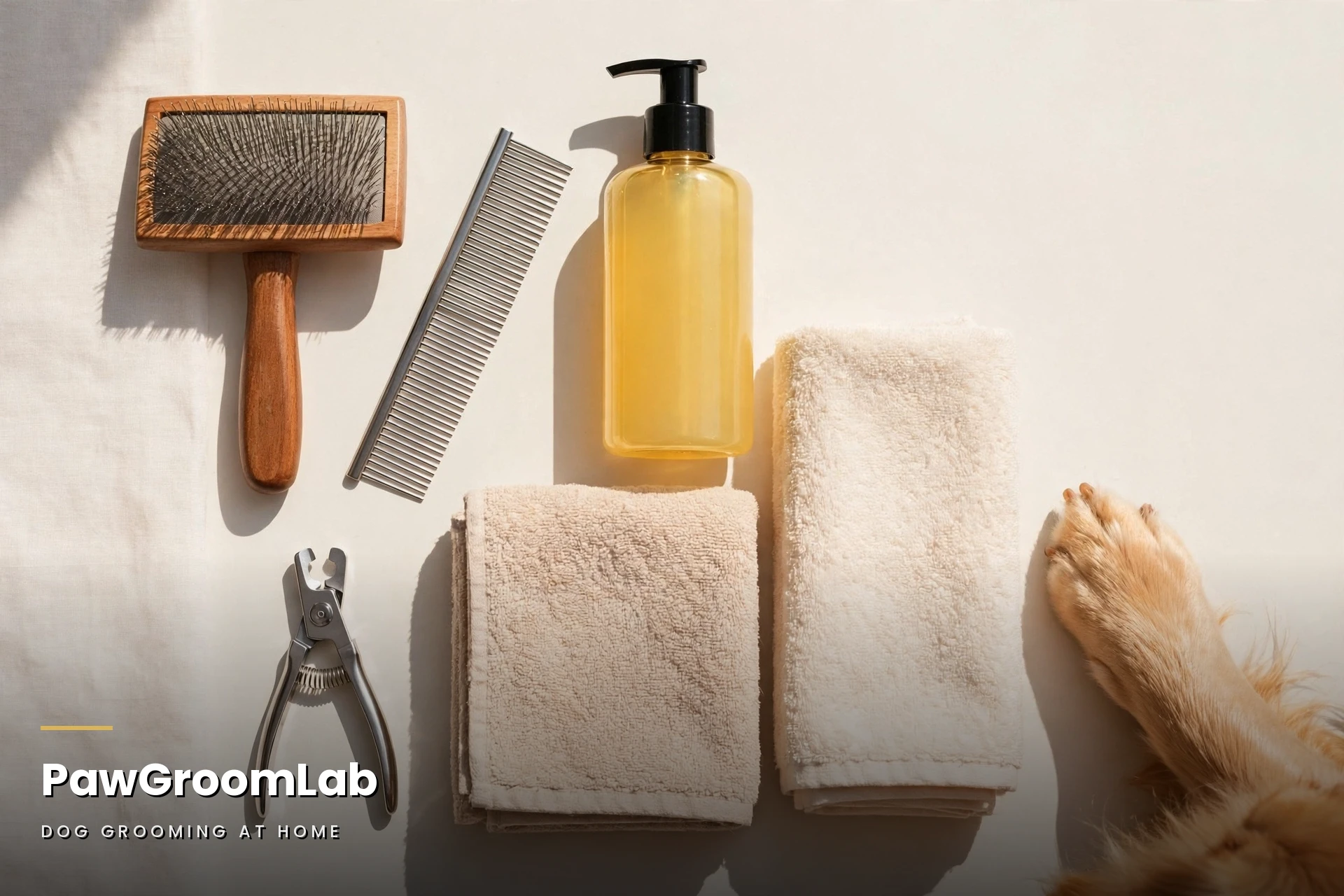
Dog grooming tools beginners need, in short: start with eight things and ignore the rest of the aisle. A brush matched to your dog’s coat, a steel comb, a nail clipper or grinder plus styptic powder, a dog shampoo, a vet-approved ear cleaner with cotton balls, a dog toothbrush with dog toothpaste, absorbent towels, and treats. That kit covers every routine on this site. Buy coat extras second: an undercoat rake for double coats, a firm slicker for curly coats, a rubber curry for short coats. Skip clippers, fancy sprays and full haircut gear until you actually need them — most beginners waste money on tools for jobs they will not do for months, if ever.
Table of Contents
Buy First: The Core Kit
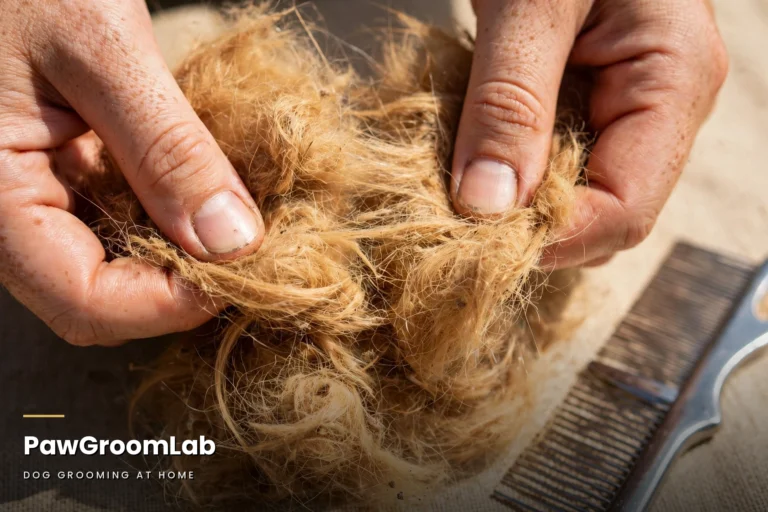
Brush matched to the coat: slicker for long coats, bristle brush for short coats, pin brush for medium coats — rounded pins, comfortable grip, right size for your dog. Steel comb: the truth test — after brushing, run the comb through; if it snags, a tangle remains. Nail clipper or grinder: clippers are quick when the dog accepts them, grinders shape gradually but add vibration and sound — pick the one your dog tolerates, and always keep styptic powder beside you before you start. Dog shampoo: dog-specific formula only, plus conditioner for long or curly coats. Vet-approved ear cleaner with cotton balls or gauze — never cotton swabs deep in the canal. Dog toothbrush with enzymatic dog toothpaste — never human toothpaste, which may contain xylitol, a substance toxic to dogs. Absorbent towels, microfiber if possible, two or three for large dogs. Treats: small and high-value, because every tool introduction runs on rewards. Non-slip mat: for the tub and the grooming spot, so a wet dog never panics on a slippery surface.
Buy Second: Coat Extras
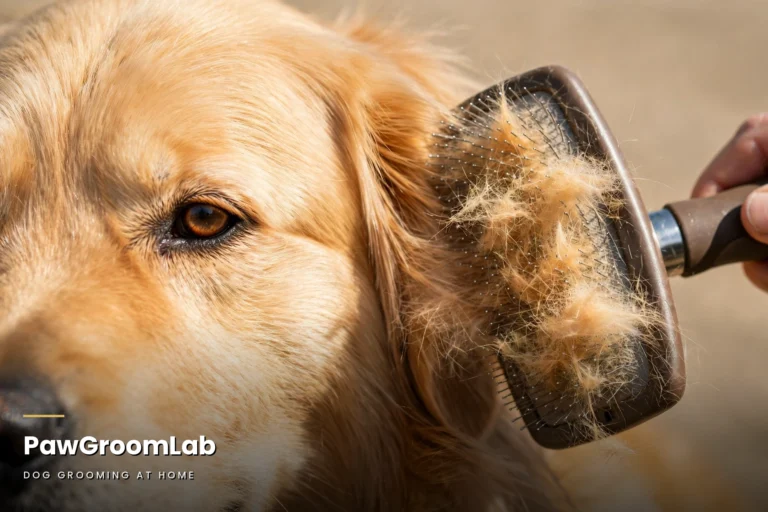
Double coats: an undercoat rake with smooth teeth that do not scrape — used 2 to 3 times a week, daily in shedding season. Curly coats: a firm slicker and, later, clippers for trimming — curly hair grows continuously and needs both brushing and cutting. Short coats: a rubber curry brush for weekly shedding sessions. Long coats: a detangling spray can help work through tangles, used with fingers and comb, never as a substitute for brushing. These are second purchases because they serve one coat type — buy them when your coat demands them, not on day one.
Skip for Now (and Why)
Full clipper sets and thinning shears: body haircuts come months later, and a first-timer with clippers on a moving dog is how coats get ruined and skin gets nicked — leave full cuts to a groomer until you have real practice. Deshedding blades used aggressively: they can cut coat and irritate skin; a rake does the job more safely. Scented sprays, colognes and “miracle” coat products: they cover smells instead of fixing the dampness, ears or skin causing them. Grooming gloves as a brush replacement: fine as a supplement, not a substitute for a real brush and comb check. Paw balms and specialty creams: useful in specific cases, not starter-kit essentials. If a tool does not map to a routine you actually do weekly, it waits.
How to Choose Each Tool (Without Brand Claims)
This guide names tool types, not brands, because the right version depends on your dog’s size and coat — and because honest advice does not pretend to have tested every product on the shelf. For brushes, check pin type, flexibility and size against your coat: slicker pins should flex, rake teeth should feel smooth, curry nubs should be soft. For clippers versus grinders, test tolerance first: a grinder’s vibration bothers some dogs more than a clipper’s snap, and the tool your dog accepts is the right one. For shampoo, match skin needs — sensitive skin means a gentle, fragrance-light dog formula — and remember dog skin has different needs from human skin, so human shampoo is never the default. For dryers, a two-speed model with variable heat beats a single-setting one, and a high-velocity dryer is worth it only for thick or double coats. Expect roughly $50 to $150 for the core kit; clippers and a high-velocity dryer add more, which is another reason they wait.
Keeping Tools Clean and Safe
Rinse shampoo residue from brushes and combs, dry metal tools so they do not rust, and check clipper blades and grinder bits for dullness — a dull tool pulls hair and scares dogs. Store styptic powder where you can reach it during nail sessions, not in a cupboard across the house. Replace toothbrushes when bristles splay, and keep ear cleaner capped and clean. Check every tool before each session: a broken slicker pin scratches skin, and a cracked comb snags coat. Tools last years with basic care, which is exactly why buying the right eight first beats buying twenty cheap ones.
Mistakes Beginners Make With Tools
Buying everything at once instead of the core eight. Buying a brush for the wrong coat — a slicker on a short coat, a curry on a long coat — and concluding brushing “does not work.” Skipping styptic powder and then panicking at the first nail nick. Using human shampoo or toothpaste. Pushing cotton swabs deep into ears. Using a deshedding blade daily on a double coat. And buying clippers before the dog accepts basic handling — tools do not fix training gaps, short positive sessions do.
Troubleshooting
My dog hates the brush I bought: it may be the wrong type for the coat, or the introduction was too fast — go back to sniff-and-touch sessions with treats, and check the brush matches the coat. The comb keeps snagging: that is the comb doing its job — a snag means a tangle to work with fingers and comb, holding the base, not a signal to force it through. My clipper pulls hair: the blade is dull or the coat is matted — stop, brush the coat out first, and do not clip a matted coat at home. My dog will not accept the grinder: vibration and sound bother many dogs — introduce it off, then from a distance, with treats, over sessions, and use clippers meanwhile. I bought a dryer but it seems too hot: check the air on your hand, use the lowest coolest setting, hold it 12 to 18 inches away and keep it moving — heat is never the shortcut.
Frequently Asked Questions
What is the minimum grooming kit for a beginner?
A coat-matched brush, steel comb, nail clipper or grinder plus styptic powder, dog shampoo, vet ear cleaner with cotton, dog toothbrush and paste, towels, treats and a non-slip mat.
Can I use human shampoo on my dog?
No — dog skin has different needs, and human shampoo can irritate it. Always use a dog-specific formula.
Can I use human toothpaste?
Never — it may contain xylitol, which is toxic to dogs. Use enzymatic dog toothpaste only.
Clippers or grinder for nails?
Whichever your dog tolerates — clippers are faster, grinders shape gradually but vibrate.
Do I need a deshedding tool?
For double coats, an undercoat rake is the safer choice; aggressive deshedding blades can damage coat and skin.
How much should a starter kit cost?
Roughly $50 to $150 for the core kit; clippers and a high-velocity dryer cost more and can wait.
What to Do Next
With the kit in hand, each routine on this site tells you exactly which tools it uses. Link these eight live guides: How to Bathe a Dog Without Stress; How to Trim Dog Nails Safely; How to Brush Out Shedding; How to Remove Matted Fur Without Hurting Your Dog; How to Clean Dog Ears; Puppy’s First Groom; Long-Haired vs Short-Haired Dog Grooming Routine; How to Dry a Dog After a Bath. The following guide names stay as plain text only: Complete At-Home Dog Grooming Schedule; Complete Dog Grooming at Home Guide.
2 Comments